
Click to see every detail as to why you should choose the Resolute Elevator System.
In commercial construction, time is one of the most valuable resources on a project. Every delay impacts coordination, increases carrying costs, and can postpone occupancy and revenue generation. While elevators are often viewed as a late-stage building component, the method used to deliver and install an elevator can have a significant impact on the overall project schedule. The comparison between traditional elevator installation and a Resolute Elevator System modular elevator approach reveals why many owners, developers, and contractors are choosing a more streamlined solution.
The Challenges of Traditional Elevator Installation
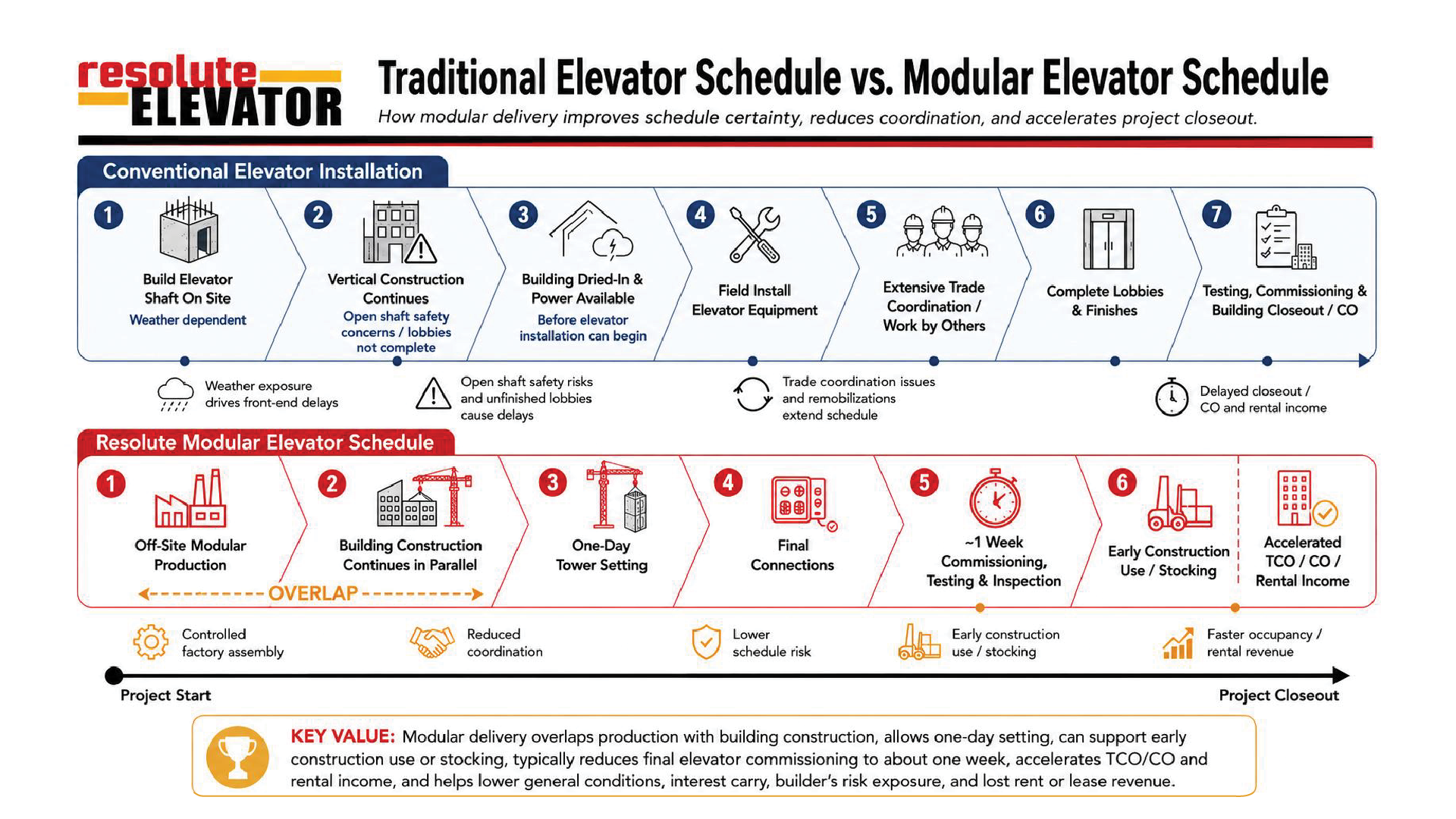
With a conventional elevator installation, the process is highly dependent on the building schedule reaching specific milestones before elevator work can begin. First, the elevator shaft must be constructed on-site, often exposing the project to weather-related delays. Construction then continues vertically while elevator contractors wait for the hoistway to be completed, the building to be dried in, and permanent power to become available.
Once those milestones are achieved, elevator equipment is delivered and installed piece by piece in the field. This process requires extensive coordination among multiple trades, including electricians, drywall contractors, flooring installers, and general contractors. Open shaft conditions, unfinished lobbies, and scheduling conflicts frequently create delays and remobilization costs. Ultimately, testing, commissioning, and final inspections occur near the end of the project, making the elevator a critical path item that can delay occupancy and certificate of occupancy (CO) approval.
A Different Approach: Modular Elevator Delivery
Modular elevator systems fundamentally change the project timeline by shifting much of the work from the jobsite to a controlled manufacturing environment. Rather than waiting for the building to be ready, elevator production begins off-site while construction progresses simultaneously.
This overlap creates one of the greatest advantages of modular delivery: parallel workflows. Instead of elevator fabrication becoming a sequential activity that follows building completion, it becomes a concurrent process that supports the overall schedule. Factory-controlled assembly also improves quality consistency while reducing the impact of weather, labor shortages, and jobsite disruptions.
One-Day Installation, Reduced Disruption
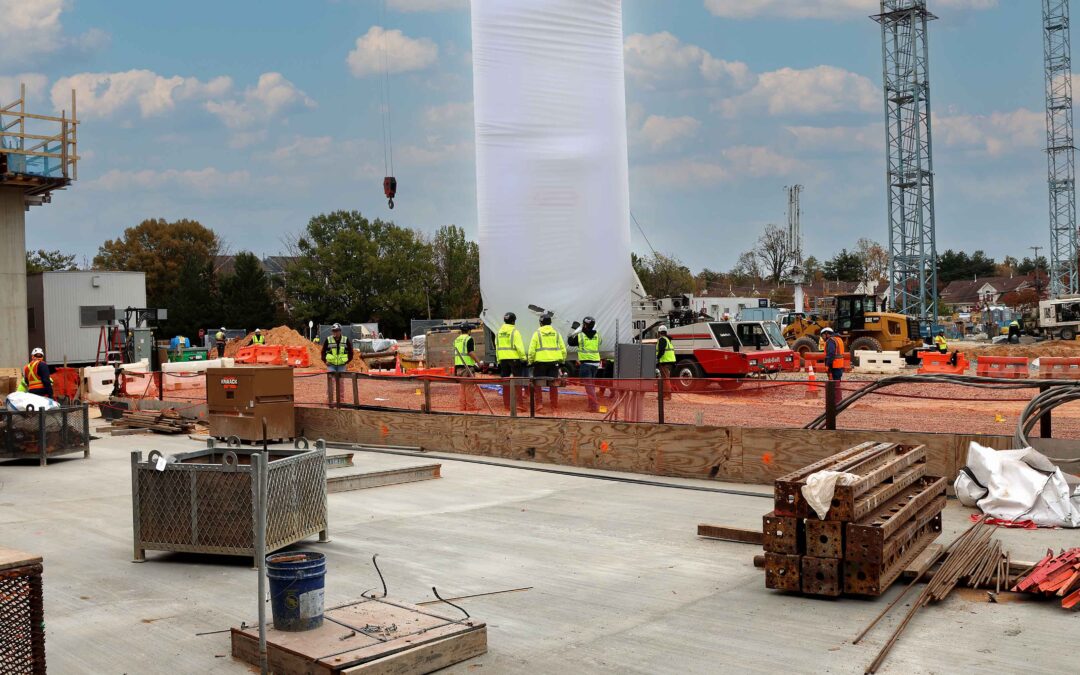
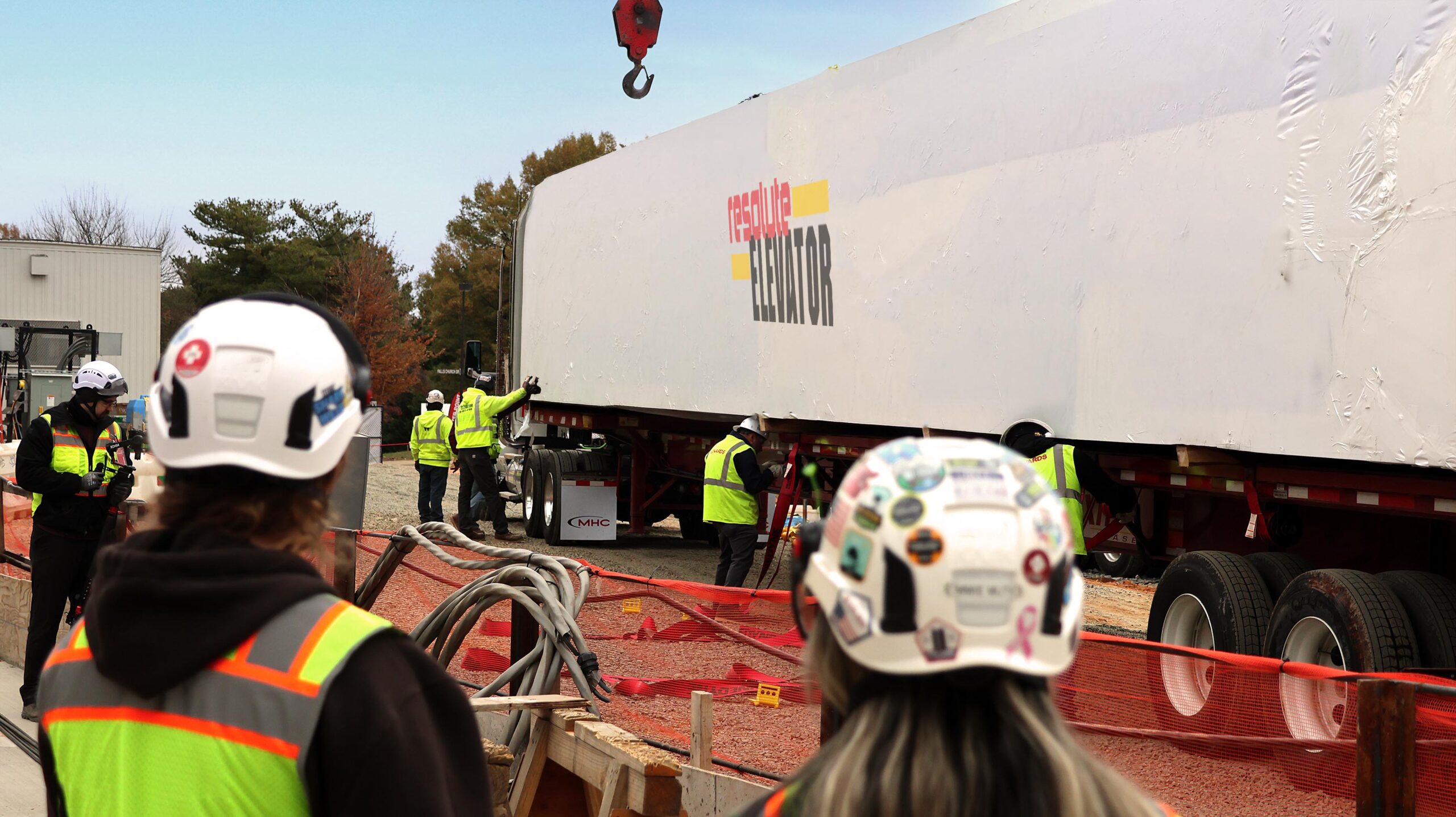
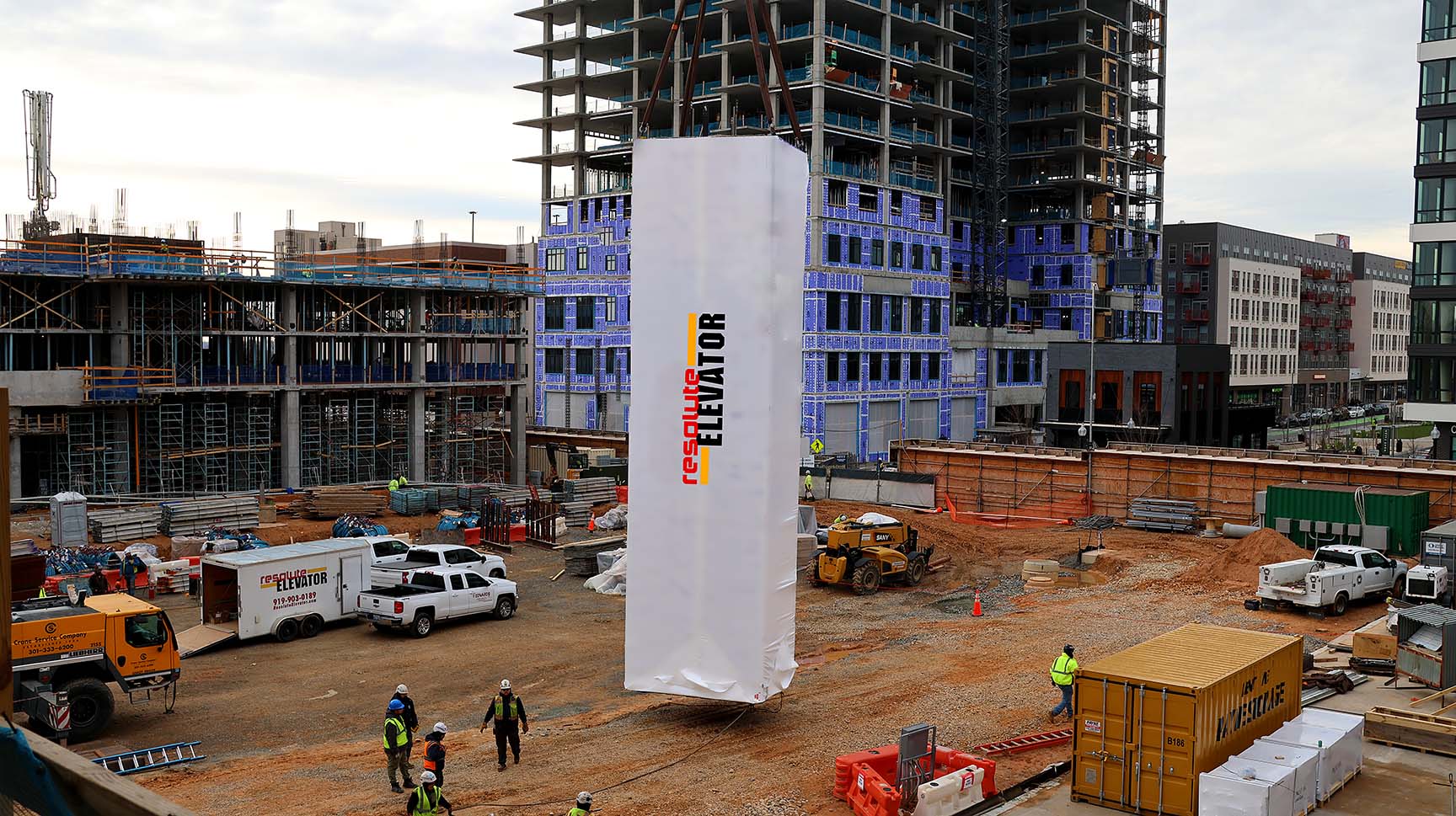
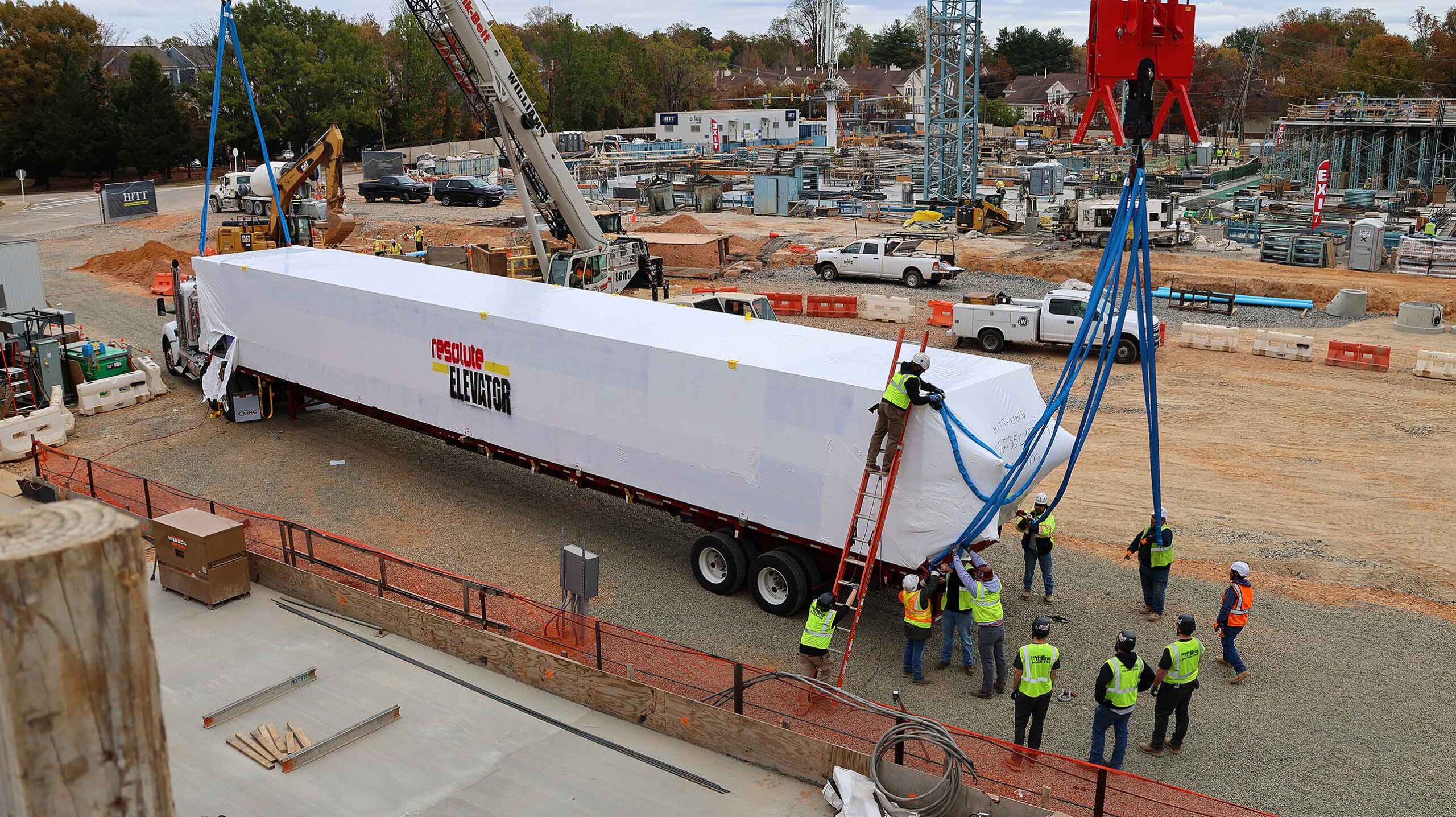
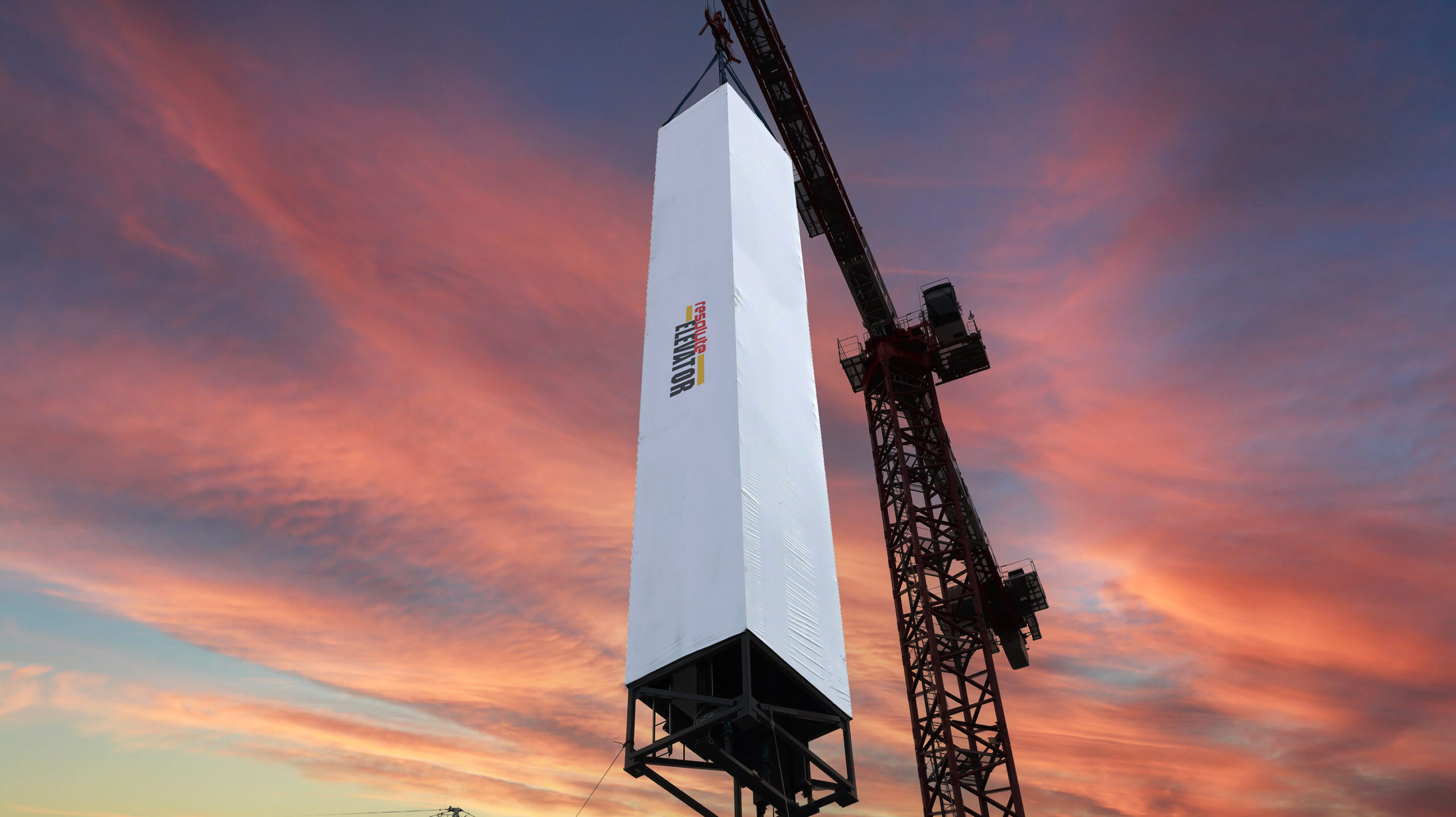
One of the most compelling benefits of a modular elevator system is the speed of installation. Once the building is ready, the preassembled elevator module or modules can be set in place in a single day. Compared to the lengthy field assembly process required for traditional elevators, this dramatically reduces on-site labor and trade coordination.
After installation, crews complete final connections, followed by testing and inspection. Because much of the work has already been completed in the factory, commissioning can often be reduced to approximately one week rather than becoming a prolonged closeout activity. This predictability helps contractors maintain momentum toward project completion.
Lower Risk and Greater Schedule Certainty
Construction projects face numerous risks, including weather delays, labor availability challenges, material shortages, and trade coordination conflicts. Modular elevator delivery helps mitigate many of these risks by moving critical work into a controlled production environment.
The result is a more predictable schedule with fewer opportunities for delays. Reduced field labor, fewer site visits, and simplified coordination help project teams maintain progress while lowering overall project risk. For owners and developers, schedule certainty often translates directly into financial benefits through reduced carrying costs and improved planning.
Earlier Building Utilization
Another significant advantage of modular elevator systems is the ability to support early construction use. Once installed and commissioned, the elevator can often be used for moving materials, equipment, and finishing trades throughout the building. This improves jobsite efficiency while reducing wear and tear on temporary access methods.
By making the elevator available earlier in the construction process, project teams gain a valuable tool that supports productivity during the final phases of construction.
Accelerating Occupancy and Revenue
For developers and building owners, the ultimate goal is project completion and occupancy. Every day a building remains unfinished represents lost opportunities for lease revenue, rental income, or operational use. Because modular elevators can shorten the installation and commissioning timeline, they help projects reach Temporary Certificate of Occupancy (TCO), Certificate of Occupancy (CO), and final turnover faster.
The ability to accelerate occupancy not only improves cash flow but can also reduce financing costs, lower general conditions expenses, and minimize the financial impact of schedule delays.
The Bottom Line
The difference between traditional and modular elevator delivery extends far beyond installation methods. Traditional elevators often become a late-stage project bottleneck due to weather exposure, extensive field assembly, and complex trade coordination. Modular elevator systems eliminate many of these challenges by allowing off-site production to occur in parallel with building construction, enabling rapid installation, faster commissioning, and earlier occupancy.
For project teams seeking greater schedule certainty, reduced risk, and accelerated project closeout, modular elevator delivery offers a compelling alternative that aligns with the growing demand for faster, more efficient construction solutions.
Recent Comments