
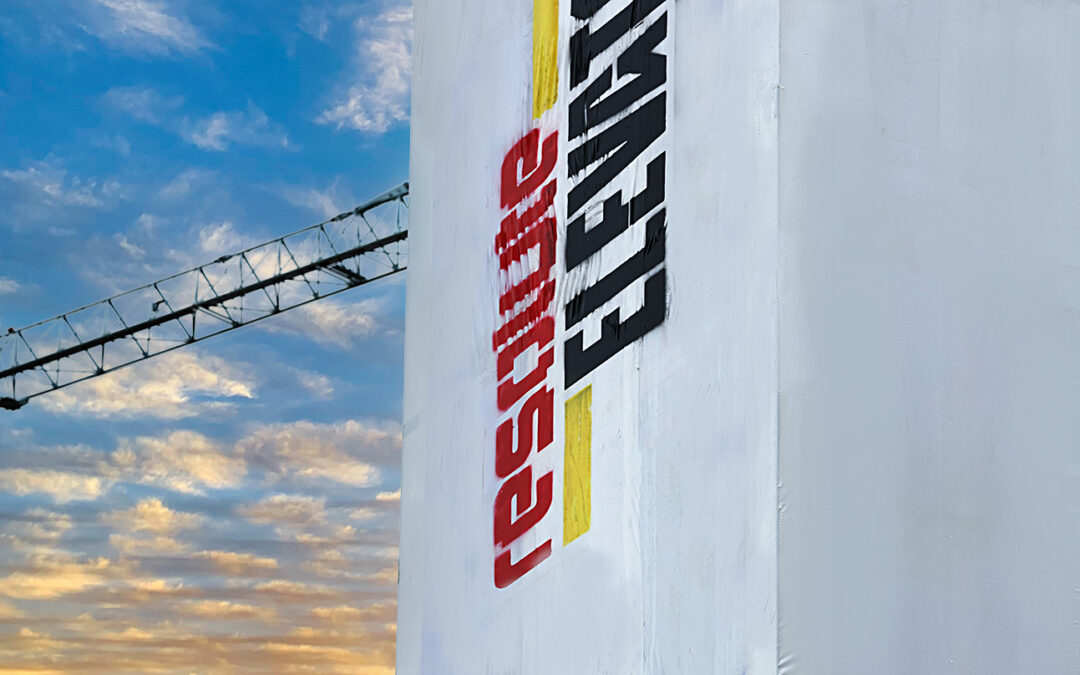
The Elevator Industry Is Changing: Why the Resolute Modular Elevator System Matters
For decades, the elevator industry has largely followed the same construction process. Contractors build a shaft, multiple trades coordinate around it, elevator equipment arrives in phases, and installation takes place piece by piece inside a finished hoistway. While technology inside elevators has evolved, the installation process itself has remained surprisingly unchanged.
The Resolute Modular Elevator System is changing that.
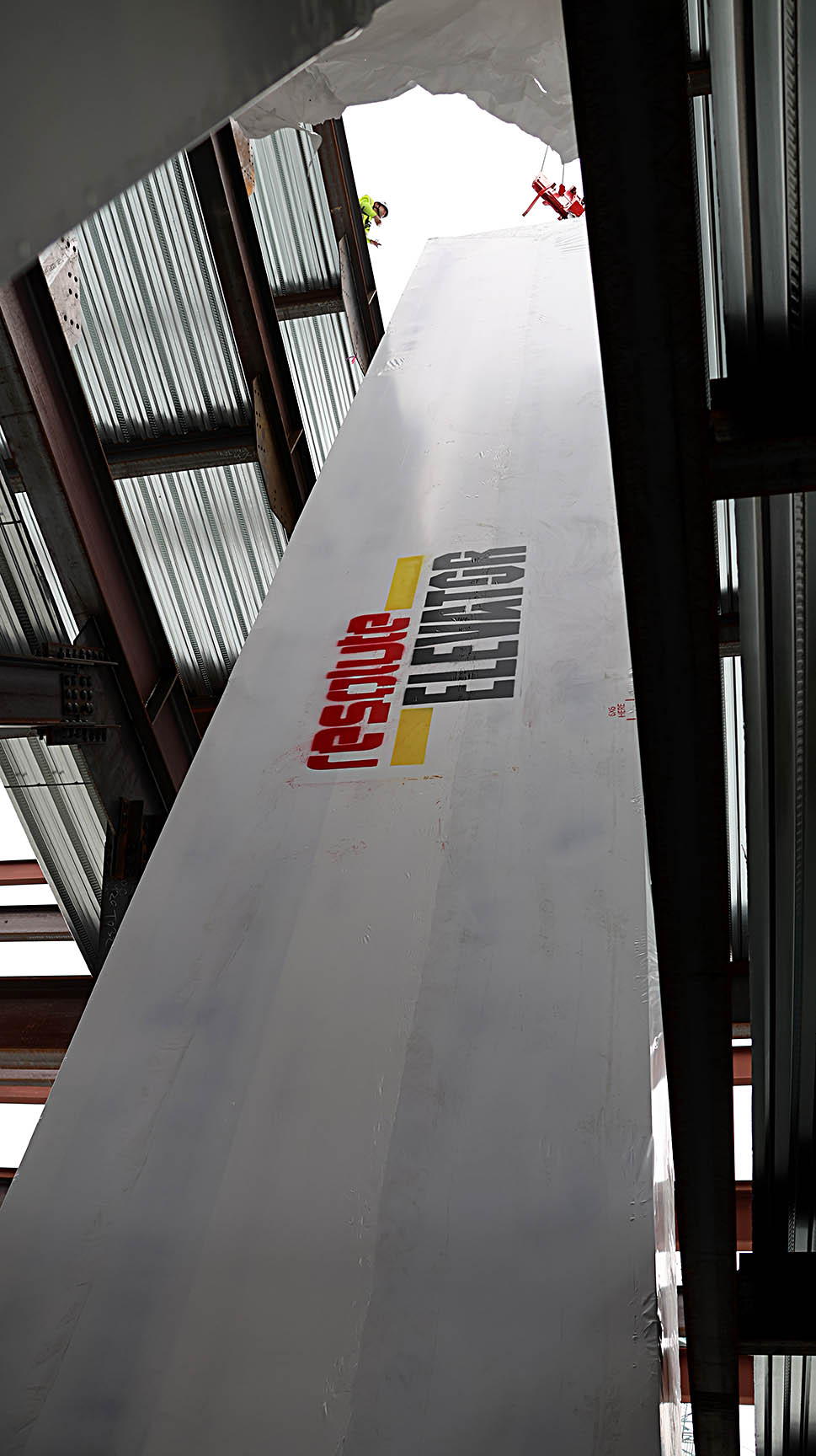
By moving the majority of elevator construction from the jobsite to a controlled manufacturing environment, Resolute has reimagined how elevators are designed, built, delivered, and installed. The result is a factory-built, code-compliant elevator system that arrives on site with a fully engineered steel hoistway and pre-installed elevator equipment ready to be set into place.
Why the Traditional Elevator Process Creates Challenges
Traditional elevator construction often becomes one of the most schedule-sensitive portions of a project. Multiple trades must coordinate around the hoistway. The shaft must be built before elevator installation can begin. Equipment arrives from multiple suppliers, and field installation can take weeks or months depending on project complexity.
For developers, architects, general contractors, and owners, this creates risk:
- Construction schedules become harder to control.
- Labor shortages can delay installation.
- Quality can vary based on field conditions.
- Trade coordination becomes more complex.
- Project costs become less predictable.
These challenges have become even more significant as construction labor becomes harder to secure and project timelines become more aggressive.
The Modular Revolution
The Resolute Modular Elevator System takes a completely different approach.
Instead of building the hoistway and elevator separately, Resolute manufactures the structural hoistway, guide rails, cab, entrances, controller, wiring, and related equipment in a controlled factory environment. The entire system is assembled, tested, and quality checked before shipment.
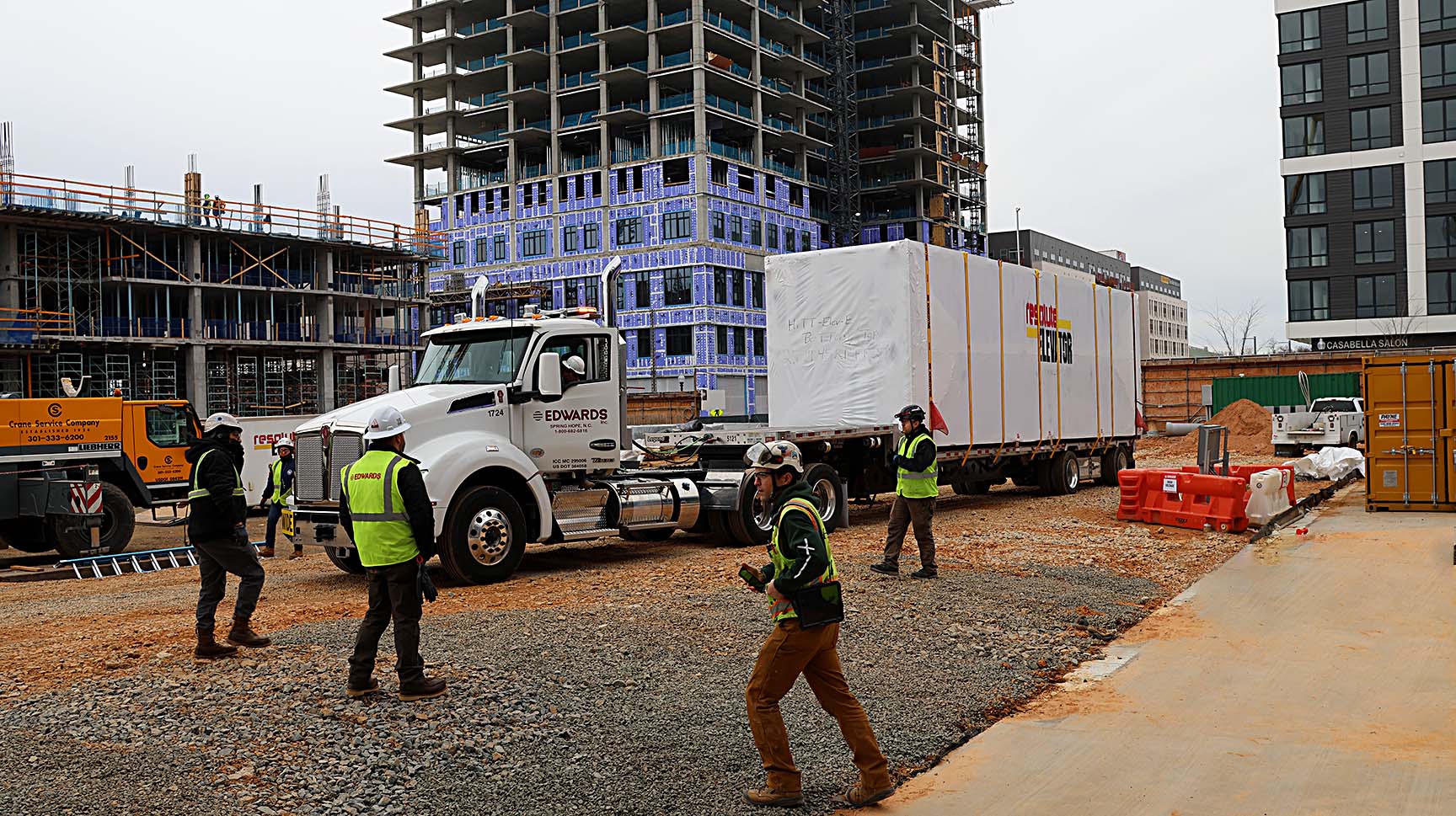
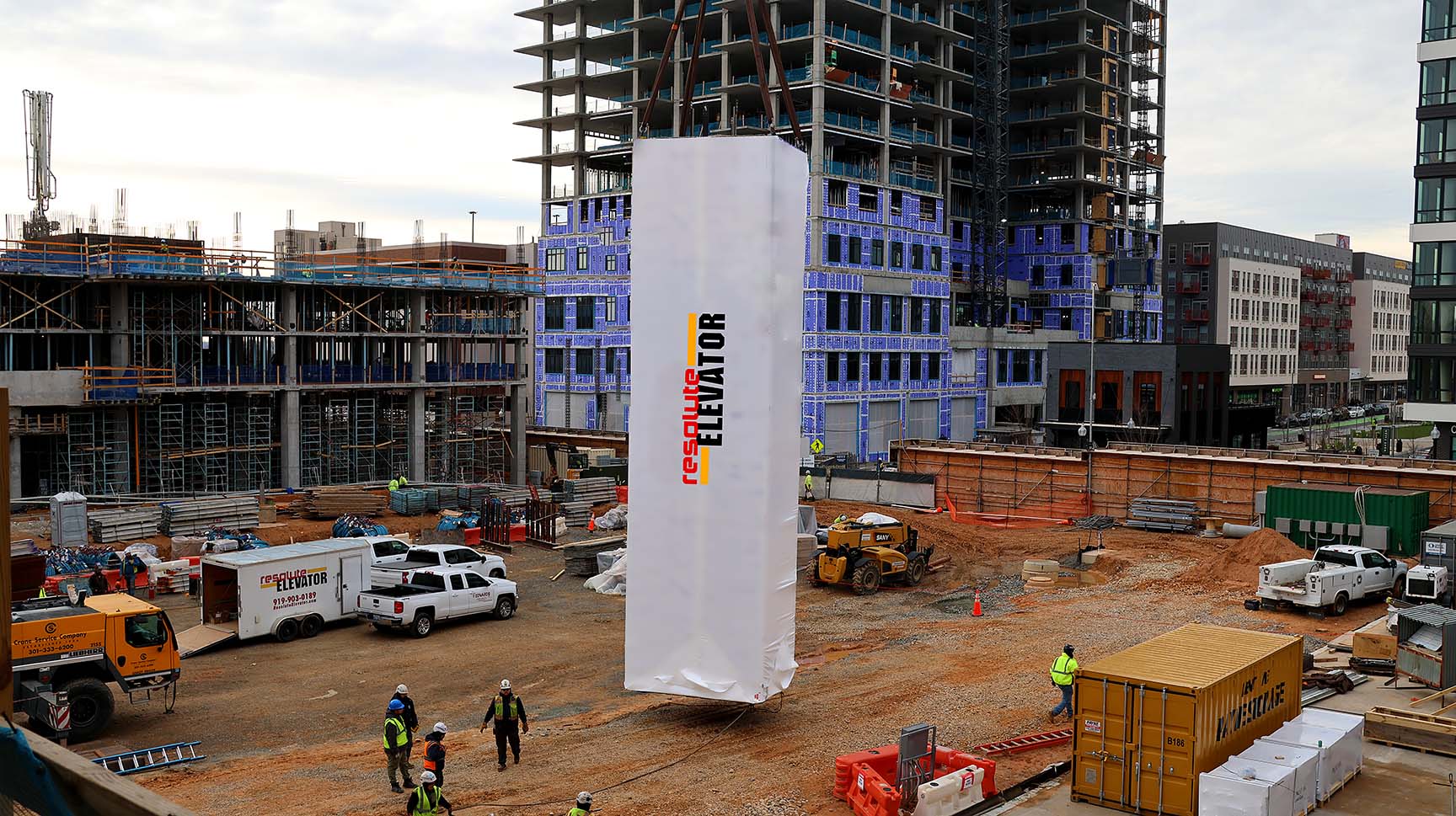
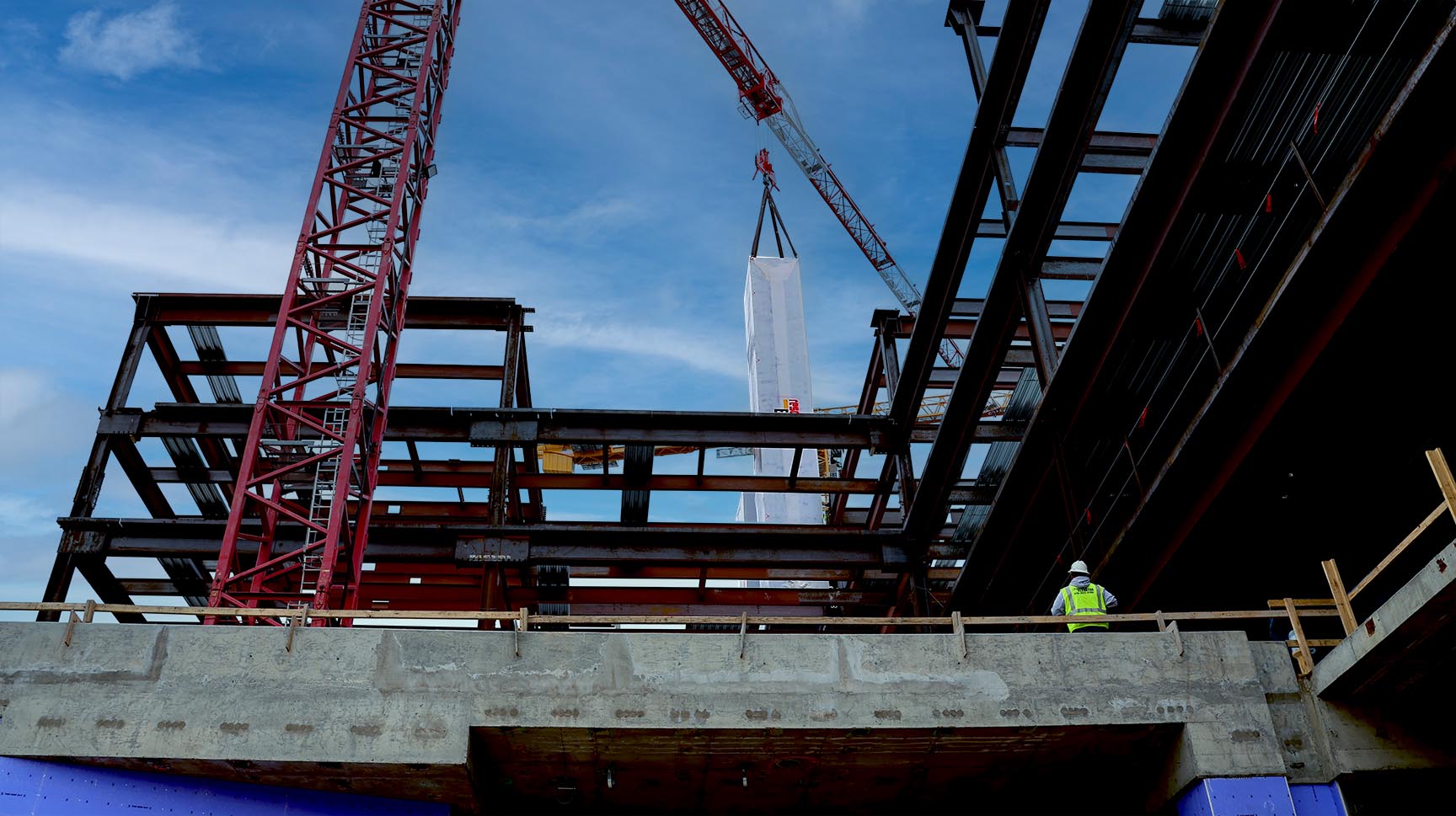
Once delivered, the modular system is crane-set into position and connected to building power, dramatically reducing the amount of elevator work required on site.
This shift from field construction to manufacturing is similar to what modular construction has already done for hotels, apartments, healthcare facilities, and student housing.
The elevator industry is simply the next frontier.
Why Architects Should Care
Architects are under constant pressure to design efficient buildings while minimizing construction complications.
The Resolute Modular Elevator System allows architects to:
- Integrate elevator systems earlier in the design process.
- Reduce coordination conflicts between trades.
- Utilize machine-room-less configurations that maximize usable building space.
- Simplify detailing with standardized, engineered solutions.
- Reduce field modifications during construction.
Perhaps most importantly, architects gain confidence knowing the elevator system has been engineered, assembled, and tested before arriving at the jobsite.
Instead of hoping the field installation goes according to plan, they can design around a known, predictable solution.
Why General Contractors Should Care
Every contractor understands that schedules drive profitability.
One delayed trade can impact dozens of downstream activities. Traditional elevator installations frequently become critical path items because the elevator cannot be installed until the shaft is complete.
The Resolute approach changes that equation.
Because manufacturing occurs off-site while site work continues, elevator production and building construction happen simultaneously. This parallel workflow can significantly reduce project duration and improve schedule certainty.
Contractors also benefit from:
- Fewer subcontractor coordination challenges.
- Reduced field labor requirements.
- Faster elevator startup.
- Less rework.
- Improved quality control.
- Reduced exposure to weather-related delays.
For project teams competing against tight deadlines, these advantages can be substantial.
Why Developers and Owners Should Care
Time is money.
Every day a multifamily community, hotel, healthcare facility, or office building remains unfinished represents lost revenue opportunity.
The Resolute Modular Elevator System helps reduce construction risk while providing predictable elevator costs and installation schedules. Factory-controlled production improves consistency while minimizing field variables that often lead to delays and change orders.
Owners also benefit from the use of non-proprietary equipment, which can simplify long-term maintenance and modernization planning.
The result is an elevator solution designed not only for construction efficiency but also for long-term ownership value.
A Safer Way to Build
Safety remains one of the most overlooked advantages of modular elevator construction.
Traditional elevator installation requires mechanics to work within open hoistways and around unfinished conditions. The Resolute system is assembled horizontally in a factory environment where work occurs at safer, more accessible elevations. Many fall hazards associated with conventional installation are reduced before the system even reaches the jobsite.
Once delivered, the hoistway doors and major components are already installed, creating a safer environment for both elevator personnel and other trades.
The Future of Elevator Construction
Every major advancement in construction has followed a similar path: move work from the unpredictable jobsite into a controlled manufacturing environment.
We have seen this transformation occur with structural components, wall panels, modular housing, prefabricated mechanical systems, and entire building assemblies.
Now that same transformation is arriving in vertical transportation.
The Resolute Modular Elevator System is not simply a different way to install an elevator. It represents a fundamentally different way of thinking about elevator construction—one that prioritizes speed, quality, safety, predictability, and simplicity.
For architects seeking design efficiency, contractors pursuing schedule certainty, developers focused on ROI, and owners looking for long-term value, the message is clear:
The future of elevator construction is modular, and the future is already here.
Recent Comments